Children’s Dental Fillings: Treating Cavities in Baby Teeth
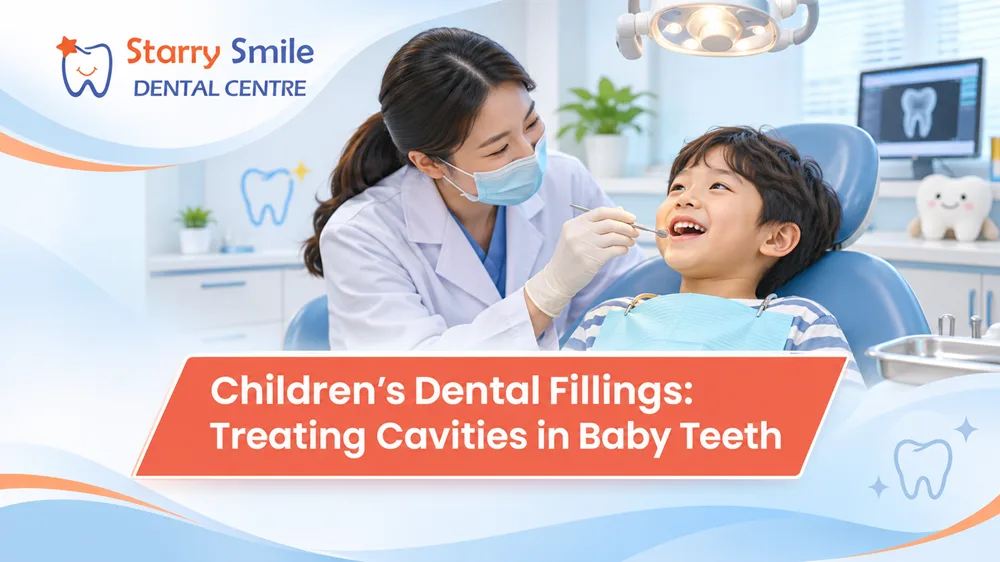
Children’s Dental Fillings: Treating Cavities in Baby Teeth. A child’s smile may look small, but every baby tooth plays an important role in their growth. These first teeth help children chew food, speak clearly and maintain the space needed for permanent teeth. Therefore, when tooth decay appears, parents should not ignore it simply because baby teeth eventually fall out.
Children’s dental fillings help repair cavities, protect damaged tooth structure and allow children to use their teeth comfortably. Early treatment can also prevent decay from reaching the inner part of a tooth, where it may cause pain or infection.
At Starry Smile Dental Clinic - Dubai, parents can seek professional advice about their child’s oral health and suitable cavity treatment. The dentist will examine the affected tooth, assess the extent of decay and recommend an approach based on the child’s age, dental development and treatment needs.
1. Why Do Children Get Cavities in Baby Teeth?
Cavities develop when bacteria in the mouth feed on sugars from food and drinks. These bacteria produce acids that gradually weaken tooth enamel. Over time, the damage can create small holes known as dental cavities.
Children may develop tooth decay for several reasons:
Frequent consumption of sweets, biscuits and sugary snacks.
Regular intake of juice, sweetened milk or soft drinks.
Poor brushing habits or inadequate parental supervision.
Going to bed with a bottle containing milk or sweet drinks.
Skipping regular dental check-ups.
Not getting enough fluoride protection.
Furthermore, baby teeth have thinner enamel and dentine than permanent teeth. As a result, decay can progress relatively quickly and reach the inner tooth tissues sooner.
2. Why Are Dental Fillings Important for Baby Teeth?
Some parents believe that treating cavities in baby teeth is unnecessary because permanent teeth will eventually replace them. However, untreated decay can create problems long before a baby tooth falls out naturally.
Dental fillings for children repair suitable areas of tooth damage and help preserve the remaining natural structure.
Here is why early treatment matters:
Prevents further damage: A filling restores the damaged area and helps protect the remaining tooth.
Reduces discomfort: Treating a cavity can prevent pain associated with progressing decay.
Supports chewing: Healthy baby molars help children bite and chew food properly.
Maintains space: Baby teeth help guide permanent teeth into their correct positions.
Protects oral development: Treating dental problems supports a healthier environment as the mouth develops.
Moreover, untreated decay can sometimes lead to infection, swelling and difficulty eating. Therefore, parents should arrange a dental assessment when they notice possible signs of a cavity.
3. Common Signs Your Child May Need a Dental Filling
Young children do not always explain dental discomfort clearly. For this reason, parents should watch for changes in their eating habits, brushing routine and behaviour.
Look out for these common warning signs:
White, chalky patches on the teeth.
Brown or black spots.
Small visible holes in the tooth.
Complaints of tooth sensitivity.
Pain while eating or drinking.
Avoiding food that requires chewing.
Discomfort during brushing.
Swelling or tenderness around a tooth.
However, some cavities do not cause pain during their early stages. Consequently, regular dental examinations remain important even when your child seems comfortable.
If your child develops facial swelling, fever, severe pain or difficulty swallowing, seek urgent dental or medical care rather than waiting for a routine appointment.
Related Post:
» Dental Fillings: Types, Benefits and When You Need One
» Pediatric Tooth Extraction: When Is It Necessary?
» Dental Veneers: Benefits, Process and Long-Term Care
» Pediatric Dental Sealants: Protecting Children’s Teeth
» How Dental Crowns Restore Damaged or Broken Teeth
4. What Happens During a Children's Dental Filling?
The filling procedure depends on the size and location of the cavity. Nevertheless, most straightforward treatments follow a similar process.
Step 1: Dental examination
The dentist checks the affected tooth and surrounding gums. If necessary, they may recommend a dental X-ray to understand how far the decay has progressed.
Step 2: Treatment planning
Next, the dentist discusses suitable treatment options with the parent. They consider the child's age, cooperation, cavity size and remaining tooth structure.
Step 3: Keeping the child comfortable
For some fillings, the dentist may use local anaesthesia to numb the area. They may also use child-friendly behaviour guidance to help the young patient feel relaxed.
Step 4: Removing or managing decay
The dentist removes the damaged tissue when the chosen treatment requires it. In certain cases, a minimally invasive approach may preserve more healthy tooth structure.
Step 5: Placing the filling
The dentist places a suitable restorative material into the prepared area and shapes it to restore the tooth's function.
Step 6: Checking the bite
Finally, the dentist checks how the teeth meet and makes any necessary adjustments. They also explain how parents can care for the treated tooth.
Importantly, not every early cavity needs a conventional filling. Depending on the lesion, a dentist may recommend fluoride treatment, monitoring or another approach.
5. Types of Dental Fillings for Children
Dentists use different materials to repair cavities in baby teeth. The best option depends on the tooth's location, the amount of damage and the child's individual needs.
Composite Resin Fillings
Composite fillings use tooth-coloured material that blends with the natural appearance of teeth. They can work well for suitable cavities in front and back teeth. In addition, they offer an attractive option when appearance matters.
However, the dentist must consider the cavity size, moisture control and chewing pressure before recommending composite resin.
Glass Ionomer Fillings
Glass ionomer cement (GIC) is another material used in paediatric dentistry. It can release fluoride, which may help protect the surrounding tooth structure. Dentists may consider it for selected cavities, including certain baby teeth.
Nevertheless, glass ionomer may not offer the same strength as some other materials in areas that experience heavy chewing pressure.
Stainless Steel Crowns
A stainless steel crown is not a conventional filling. Instead, it covers and protects a larger part of the tooth. Dentists may recommend it when a baby molar has extensive decay, significant structural damage or needs protection after certain pulp treatments.
It can provide stronger coverage than a small filling when the remaining tooth structure cannot adequately support an ordinary restoration.
Comparison of Common Treatment Options
Treatment | Main purpose | When a dentist may consider it |
|---|---|---|
Composite filling | Repairs a cavity with tooth-coloured material | Suitable small or moderate cavities |
Glass ionomer filling | Restores tooth structure and releases fluoride | Selected cavities, depending on location |
Stainless steel crown | Covers and protects the tooth | Large cavities or extensive damage |
Fluoride treatment | Helps strengthen enamel and manage early decay | Certain early, non-cavitated lesions |
The table provides general information. Your child's dentist will select treatment after examining the tooth.
6. Does a Child Need Anaesthesia for a Dental Filling?
Not every child needs the same level of pain control. A small restoration may require a different approach from a deeper cavity.
For example, the dentist may use local anaesthesia for children's dental fillings to numb the affected area and reduce discomfort during treatment. The dentist will select the appropriate method and dosage according to the child's age, weight, medical history and procedure.
Meanwhile, behaviour guidance can make the appointment easier. Techniques may include:
Explaining the procedure in simple language.
Showing the child safe dental instruments.
Allowing short breaks when appropriate.
Using positive encouragement.
Helping parents prepare children before the appointment.
Some children with extensive treatment needs or difficulty cooperating may require additional behaviour guidance or sedation assessment. The dental team should explain the benefits, risks and alternatives before proceeding.
7. How Long Do Baby Tooth Fillings Last?
A filling can remain in place until the baby tooth naturally falls out, but its lifespan varies. The material, cavity size, biting pressure, oral hygiene and risk of further decay all influence how long it lasts.
For example, a small filling in a tooth with good surrounding structure may last well. However, a large restoration in a child with frequent cavities may need closer monitoring.
Parents should remember that fillings do not stop the overall tooth decay process. Children still need good brushing habits, a balanced diet and regular dental reviews.
8. How to Prevent Cavities in Baby Teeth After Treatment
A filling repairs existing damage, but daily care helps protect the rest of your child's teeth.
Try these practical steps:
Brush twice daily: Help your child brush in the morning and before bedtime using an age-appropriate, fluoride toothpaste.
Supervise brushing: Young children need help to clean every tooth surface properly.
Limit sugary snacks: Reduce frequent sweets, biscuits and sweetened drinks between meals.
Choose water: Offer plain water regularly instead of sugary beverages.
Avoid bedtime bottles with sugary drinks: Do not let your child sleep with a bottle containing juice or sweetened liquids.
Attend regular dental check-ups: Follow the dentist's recommended examination schedule.
Ask about fluoride protection: Professional fluoride varnish may help reduce the risk of further decay.
The NHS recommends a first dental visit when the first milk teeth appear or before the child reaches 12 months. Early visits also help children become familiar with the dental environment.
9. When Should Parents Visit a Children's Dentist in Dubai?
Do not wait until a child complains of severe toothache. Arrange a dental appointment if you notice dark spots, visible holes, sensitivity or changes in eating habits.
Furthermore, children with previous cavities may need closer monitoring because their risk of developing additional decay can remain high. A dentist can assess that risk and create a suitable prevention plan.
At Starry Smile Dental Clinic - Dubai, parents can discuss concerns about baby tooth decay, restorative options and preventive dental care. An individual examination helps determine whether a filling, fluoride treatment, crown or another approach is appropriate.
Early attention can save a child from avoidable discomfort and help maintain healthy oral development.
10. Quick Facts About Children's Dental Fillings
Dental care fact | General guidance |
|---|---|
First dental visit | When the first tooth appears or before 12 months |
Brushing routine | Twice daily |
Toothpaste | Age-appropriate fluoride toothpaste |
Common cavity signs | White spots, dark marks, holes and sensitivity |
Filling material | Depends on cavity size and tooth location |
Follow-up | Based on individual decay risk and dental findings |
These are general recommendations, not a substitute for a dentist's assessment. A child's age, oral health and medical history may change the recommended care.
Conclusion
Children's dental fillings play an important role in protecting baby teeth from further decay and helping children maintain comfortable, healthy smiles. Although these teeth eventually fall out, they support chewing, speech development and the proper positioning of permanent teeth. Therefore, parents should take early signs of tooth decay seriously.
Moreover, the right treatment depends on the size of the cavity, the child's age and the condition of the affected tooth. A suitable filling, fluoride treatment or protective crown can help manage the problem when the dentist recommends it. With regular check-ups, good brushing habits and sensible food choices, parents can reduce the risk of future cavities.
For professional guidance about baby tooth cavity treatment in Dubai, consult Starry Smile Dental Clinic - Dubai and arrange an assessment for your child's growing smile.
Social:
https://www.pinterest.com/pin/914934480575955460/
https://x.com/starry_llc/status/2117867981116158129
https://www.linkedin.com/feed/update/urn:li:share:7523634798477606912/


Comments
Post a Comment